Departure
93%
vs 95% ▼ 2
 MY FS FLIGHTS
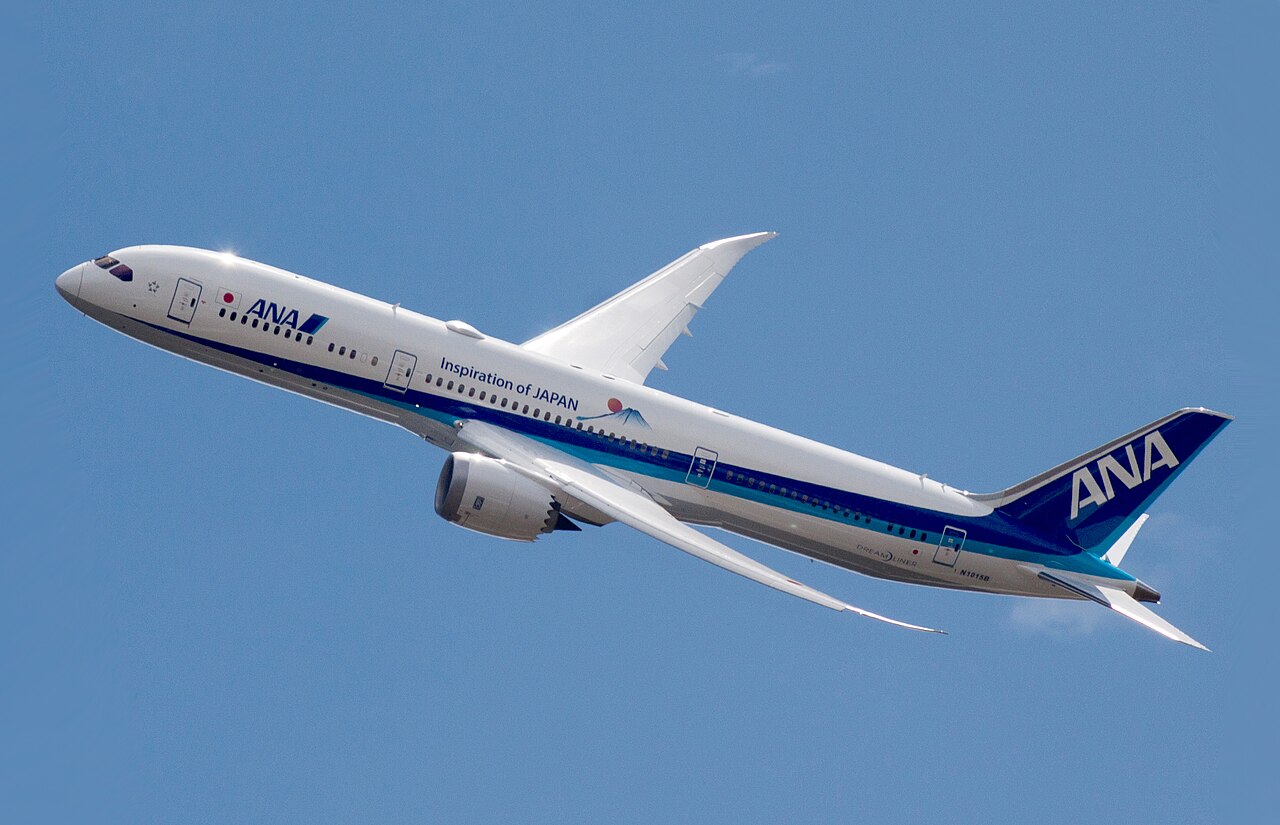
The Boeing 787-10 is the largest member of the 787 Dreamliner family, a twin-engine, twin-aisle composite widebody built by Boeing for long-haul passenger service. Created as an 18-foot stretch of the 787-9, it offers airlines greater seating capacity and cargo capability while retaining the Dreamliner's fuel-efficiency credentials, making it a natural choice for high-density transatlantic and other long-range routes. For the simulator pilot it represents the newest and longest of the Dreamliner line, combining widebody long-haul operations with the 787's efficiency-focused design philosophy.
The Boeing 787-10 is a twin-engine, twin-aisle widebody airliner and the newest and longest model in the 787 Dreamliner family. It was developed as an 18-foot (5.5 m) stretch of the 787-9, giving it greater passenger capacity, larger premium cabins and enhanced cargo capability while sharing the same long-range design lineage. It occupies the top end of the Dreamliner range and is aimed at carriers wanting higher seat counts with the fuel-efficiency benefits of the 787 programme.
The 787-10 Dreamliner made its first flight on 31 March 2017 from Boeing South Carolina in North Charleston, flown by Boeing Test and Evaluation Captains Tim Berg and Mike Bryan on a sortie lasting four hours and 58 minutes. The flight exercised the aircraft's flight controls, systems and handling qualities, and the airplane then proceeded to comprehensive flight testing ahead of first customer deliveries, which began in the first half of 2018. At the time of its first flight the 787-10 had won 149 orders from nine customers worldwide, including launch customer Singapore Airlines, Air Lease Corporation, All Nippon Airways, British Airways, Etihad Airways, EVA Air, GE Capital Aviation Services, KLM Royal Dutch Airlines and United Airlines.
The 787-10 is essentially an 18-foot (5.5 m) fuselage stretch of the 787-9, which gives it a greater seating capacity than its predecessor along with larger premium cabins and enhanced cargo capability. It retains the passenger experience Boeing markets across the 787 family while extending the airframe to increase capacity for high-demand routes.
Boeing states that the 787-10 delivers 25 percent better fuel burn per seat and emissions than the older widebody aircraft it is intended to replace, and more than 10 percent better fuel economics than competing aircraft in its class. Delta echoes this figure, citing 25 percent better fuel efficiency per seat compared with the previous-generation widebody types the 787-10 replaces on its network. Following the type's first flight, chief 787 pilot Tim Berg reported that "from takeoff to landing, the airplane handled beautifully and just as expected," after putting the aircraft through tests of its flight controls, systems and handling qualities.
The 787-10 is the largest and longest variant within the 787 Dreamliner family, distinguished from the 787-9 by its 18-foot fuselage stretch. For airlines such as KLM it represents a second Dreamliner type introduced alongside an existing 787 fleet, chosen specifically for its greater seating capacity over the -9.
Singapore Airlines was the launch customer and the first carrier to fly the 787-10 Dreamliner. Other early customers and operators named at the time of certification and rollout included Air Lease Corporation, All Nippon Airways, British Airways, Etihad Airways, EVA Air, GE Capital Aviation Services, KLM Royal Dutch Airlines and United Airlines. KLM took delivery of its first 787-10, named "Oranjebloesem," as the second type of Dreamliner in its fleet, arriving 100 days before the airline's 100th birthday, and chose the type for its greater seating capacity relative to the 787-9. Delta Air Lines ordered 30 787-10s with options for 30 more, introducing the type as a new fleet addition intended for its transatlantic and South American network, where it offers more capacity, larger premium cabins and enhanced cargo capability compared with the previous-generation widebody aircraft it replaces.
Documented pilot impressions of the 787-10 are limited to Boeing's own test flight reporting, in which chief 787 pilot Tim Berg described the aircraft as handling "beautifully and just as expected" through flight-control, systems and handling-quality testing during its first flight. For simulator pilots, the type represents the long-haul, high-capacity end of the Dreamliner family, flown on the same long-range network routes as other 787 variants but with the added cabin and cargo capacity that comes from its stretched fuselage.