Departure
97%
vs 95% ▲ 2
 MY FS FLIGHTS
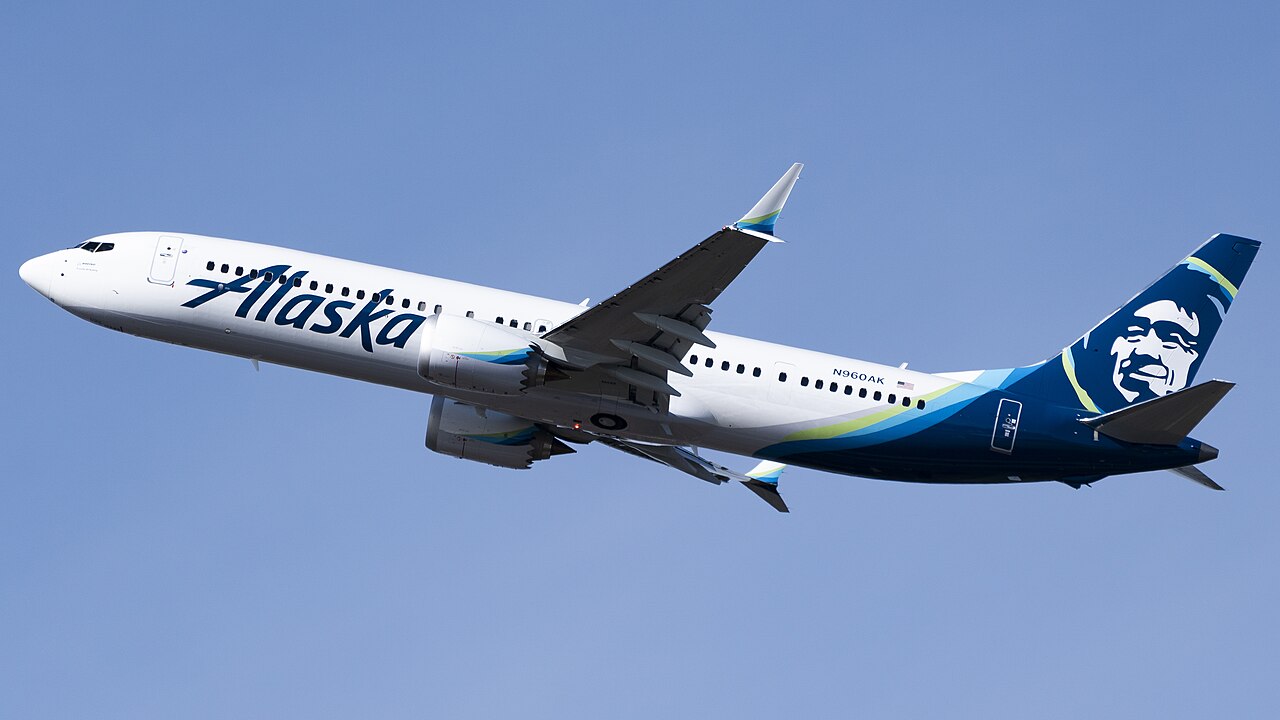
The Boeing 737 MAX 8 is a narrow-body, twin-engine jet airliner and the principal member of Boeing's 737 MAX family, put into service by airlines worldwide including Lion Air and Ethiopian Airlines on short- and medium-haul routes. It became one of the most scrutinised airliners in modern history after two fatal accidents involving the type led to a worldwide grounding lasting 21 months. For anyone studying the aircraft today, its story is inseparable from the Maneuvering Characteristics Augmentation System, or MCAS, and the safety crisis that followed its introduction.
The Boeing 737 MAX 8 is a narrow-body, twin-engine jet airliner built by Boeing and flown by airlines on short- and medium-haul commercial routes, including Indonesia's Lion Air and Ethiopian Airlines. At the time of its troubles it was described as Boeing's best-selling aircraft, reflecting its central place in the manufacturer's narrow-body product line.
On 29 October 2018 a nearly new 737 MAX 8 operating as Lion Air flight 610 plunged into the Java Sea at around 400 miles per hour shortly after departure, killing all 189 people on board. Eight days later Boeing issued a bulletin to all 737 MAX 8 and MAX 9 operators warning that erroneous angle-of-attack data could result in uncommanded nose-down movement of the aircraft, and that this action could repeat until the responsible system was deactivated. The US Federal Aviation Administration followed with an Emergency Airworthiness Directive requiring Boeing to revise the flight manual procedures covering the new Maneuvering Characteristics Augmentation System, MCAS, which had been designed to prevent the aircraft stalling by automatically pushing the nose down when it detected a high angle of attack. Boeing promised a software fix within a few weeks, but by March 2019 the revisions had still not been completed. On 10 March 2019 a second 737 MAX 8, operating as Ethiopian Airlines flight 302 from Addis Ababa to Nairobi, crashed shortly after takeoff, killing all 157 people on board. Under pressure from the governments of Indonesia and Ethiopia, from airlines, pilots, the public and the families of the 346 people who had died in the two accidents, the President of the United States ordered the grounding of all 737 MAX aircraft on 13 March 2019, and other nations followed suit, taking Boeing's best-selling aircraft out of service worldwide for 21 months.
The 737 MAX 8's most consequential design feature was MCAS, the Maneuvering Characteristics Augmentation System, a flight-control software function intended to guard against a stall by automatically pushing the aircraft's nose down when it detected a high angle of attack. In both accident aircraft the system relied on angle-of-attack sensor data that proved to be erroneous, producing repeated uncommanded nose-down inputs that continued until the system was deactivated.
The grounding that followed the two accidents led to hundreds of cancelled orders for the 737 MAX 8, cost Boeing billions of dollars, led to the replacement of its chief executive, and triggered multiple civil and criminal investigations into how the aircraft had been certified and why the FAA had not detected the flaws in its design before it entered service.