Departure
86%
vs 95% ▼ 9
 MY FS FLIGHTS
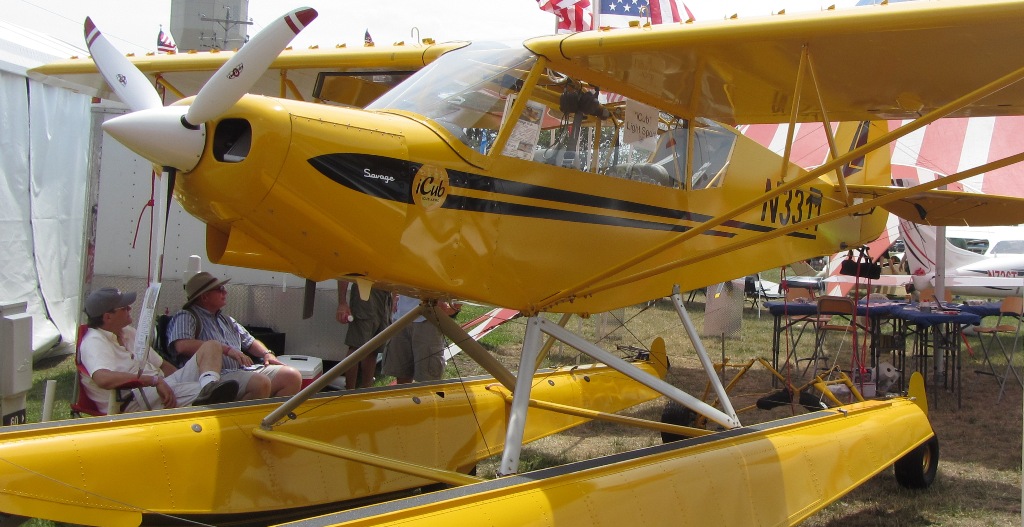
The Zlin Savage Cub is a Piper Cub-inspired light sport aircraft built by the Zlin Aircraft Company (Zlin Aviation) of Zlin in the Czech Republic. A strut-braced, high-wing taildragger aimed squarely at bush flying and off-airport work, it has become a popular entry point for pilots moving into rough-field flying, and it is also familiar to simulator pilots as a stock aircraft in Microsoft Flight Simulator.
The Savage Cub is one of several marketing variants within the Zlin Savage family of light sport aircraft, a series built by Zlin Aviation in Zlin, Czech Republic, that is deliberately similar in construction and appearance to the Piper Cub. It is a strut-braced, high-wing monoplane with conventional (tailwheel) landing gear, accepted by the FAA as a Special Light-Sport Aircraft. Within the range it is styled specifically to echo the Piper Super Cub, complete with optional tundra tyres, positioning it as a dedicated bush and backcountry type rather than a general trainer.
The Savage Cub emerged from an intensive re-engineering and restyling programme carried out by Zlin's research and development team on the earlier Savage Classic, and was introduced at the AERO show in Friedrichshafen, Germany, in 2009. Feedback gathered from dealers, customers and experienced bush pilots in Alaska fed into a wish-list of upgrades and reinforcements that turned the Classic into what the manufacturer describes as one of the best bush-flying light aircraft in the ULM category. The Cub subsequently gained a new aluminium cowling, reshaped windows and fuselage, a revised tail, new wingtips, reinforced flaps, and an optional 6 inch HD extended landing gear for more demanding operations. It sits alongside other Savage-family derivatives - the Classic, Cruiser, iCub, Cub S, Bobber, Nomad and Outback - all sharing the same basic airframe philosophy.
Construction follows traditional light taildragger practice: a welded steel-tube fuselage, wings built around aluminium spars and ribs with fabric covering, and control surfaces skinned in aluminium. Fuel is carried in two wing-root tanks. Across the Savage range, published dimensions give a length of 6.39 m (21 ft 0 in), a wingspan of 9.31 m (30 ft 7 in), a height of 2.03 m (6 ft 8 in) and a wing area of 14.2 sq m (153 sq ft), using a modified NACA 4412 aerofoil. A representative Savage with the 80 hp Rotax 912UL has an empty weight of 288 kg (635 lb) and a gross weight of 560 kg (1,235 lb), with a fuel capacity of 64 litres (14 imp gal, 17 US gal). A documented individual Savage Cub example (Rotax 912, serial 26) recorded an empty weight of 683 lb against a maximum take-off weight of 1,235 lb, giving a useful load of 552 lb, with 18 gallons of usable fuel. Engine options across the Savage/Cub line include the 80 hp Rotax 912UL, the 100 hp Rotax 912ULS, the 85 hp Jabiru 2200 and the turbocharged 115 hp Rotax 914; the extended-fuselage Cub S variant has also been offered with engines from 100 hp up to a 180 hp Titan Stroker IO-340, introduced in 2013.
With the base 80 hp Rotax 912UL, the Savage is quoted with a maximum speed of 188 km/h (117 mph, 102 kn), a cruise speed of 170 km/h (110 mph, 92 kn), a stall speed of 62 km/h (39 mph, 33 kn) and a never-exceed speed of 205 km/h (127 mph, 111 kn), with a range of 720 km (450 mi, 390 nmi), a service ceiling of 4,400 m (14,400 ft) and a rate of climb of 4.8 m/s (940 ft/min). A specific Rotax 912-powered Savage Cub example was reported to cruise at 95 mph on a fuel burn of 4.5 gph, with a climb rate of 1,000 to 1,200 fpm and an endurance of around 3.5 hours with full fuel, VFR reserves, and a payload including pilot, passenger and baggage.
The Savage Cub is one of several named variants built on the common Savage airframe. The Savage Classic is the base US light-sport model, offered with the Rotax 912UL, 912ULS, Jabiru 2200 or turbocharged Rotax 914. The Savage Cruiser features a modified windshield, windows and fuselage underside. The Savage Cub itself takes on Piper Super Cub styling and features, with optional tundra tyres, plus the later aluminium cowling, reshaped windows and fuselage, revised tail, new wingtips, reinforced flaps and optional extended landing gear. The Savage Bobber strips the Cub down to an uncovered, open-frame fuselage to meet FAI microlight rules, with a maximum gross weight of 472.5 kg (1,042 lb) and a simple fabric or leather bag serving as the baggage compartment. The Savage Cub S extends the fuselage and enlarges the tail surfaces, and has been fitted with engines ranging from 100 hp up to the 180 hp Titan Stroker IO-340 introduced in 2013. Other marketing names within the family include the iCub and the floatplane-capable iCub, plus the Nomad and Outback.
The Savage Cub was conceived and marketed as a bush-flying aircraft, and the manufacturer credits it with becoming the tool of choice for pilots taking their first steps into bush flying as well as for seasoned operators and specialised flight schools. Its light-sport certification, taildragger configuration and optional tundra tyres and extended landing gear support use on unimproved strips, and floatplane operation is offered on the closely related iCub.
The Savage Cub is included as a stock aircraft in Microsoft Flight Simulator, where its Piper Cub-like handling and bush-flying character have made it a talking point among simulator pilots exploring backcountry and short-field flying. Discussion among simulator users has noted some of its idiosyncrasies as modelled, including an airspeed indicator calibrated in km/h rather than knots, reflecting its Czech origin, and the absence of a parking brake, which raises the practical question of how to keep the aircraft from rolling when the toe brakes are released on the ground.